

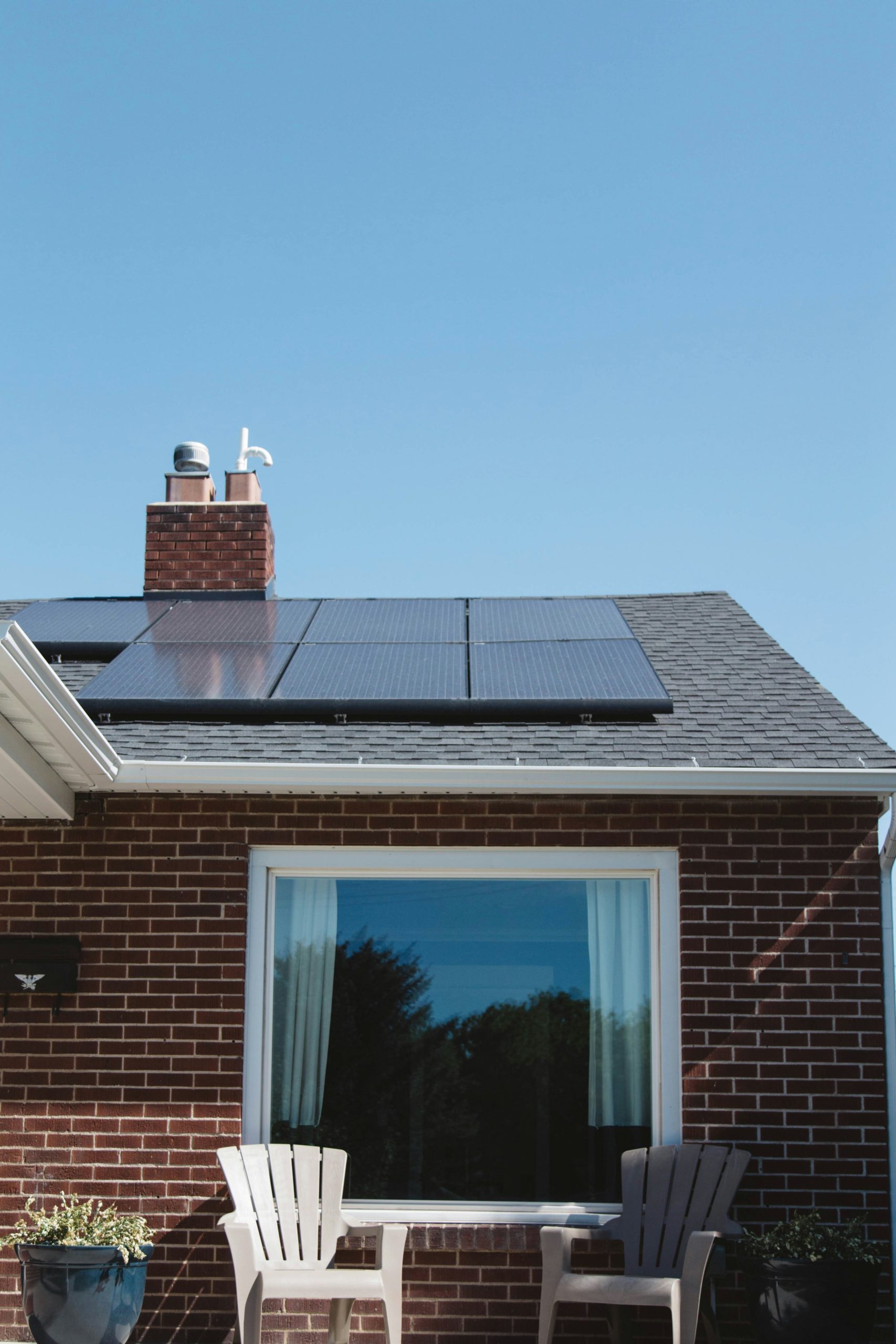
Energy prices have been unpredictable for a while now, and world events over the past year have continued to cause ripples. With the increased cost of living, household budgets are under pressure, it’s hard to know which direction prices are heading next. Most people are bracing themselves and hoping for the best, but nobody likes feeling out of control of what they pay to keep their home warm.
As a result, more homeowners are looking to invest in renewable energy setups that give them more independence from the grid. 2025 was the strongest year ever for solar panel installations in the UK, up 37% from the previous year, and 2026 has continued that trend with 23,000 installations in April alone. Something is shifting. As the fossil fuel market becomes more volatile, more people are choosing to take matters into their own hands.
What does energy self sufficiency mean?
In simple terms, energy self sufficiency means generating enough of your own power to cover the majority of what your home needs. Most homeowners using renewable energy systems get to a point where they can power the majority of things, and use the grid to plug the gaps.
The possibility of going completely off grid and cutting ties with your energy supplier may be out of sight for a little while yet. However, a home with both solar panels and a heat pump can generate a significant chunk of its own electricity and use that to power its heating and hot water. During the right conditions your home can nearly run itself. That’s a pretty exciting prospect.
Why heat pumps and solar panels are a natural fit
When you’ve got one, it makes sense to fit the other. Solar panels can generate electricity, while heat pumps can run on it.
Heat pumps are measured by something called COP (Coefficient of Performance). This is a measure of how efficient they are. A heat pump with a COP of 3 produces 3 units of heat for every 1 unit of electricity it consumes. Compared to a traditional gas boiler that can only ever convert 1 unit of energy into 1 unit of heat, you can see why heat pumps are becoming a more popular way to heat your home.
Now add solar panels into the mix. The average domestic solar panel system in the UK generates somewhere between 3,000 and 4,500 kilowatt of electricity per year, depending on roof size and location.
A typical heat pump uses somewhere in the region of 3,000 to 4,000 kilowatt hours annually. With the right setup, your panels could theoretically cover a significant portion of what your heat pump needs to run, drawing from the grid only when generation falls short.
The end result is a home that can generate its own energy and use it to heat itself, with far less reliance on whatever the grid happens to be charging that month.
How it plays out across the seasons
Summer is where the combination really shines. Solar panels generate the most electricity between May and August, when daylight hours are longest and the sun is at its highest. At the same time, your heat pump won’t be working particularly hard during these warmer months. It’s mostly just keeping your hot water topped up, rather than heating the whole home. The overlap between high generation and low demand is where you really start to feel the benefit.
Any excess electricity your panels produce can either be stored in a battery for later use, or sent back to the grid. Through the Smart Export Guarantee, you can actually get paid for the electricity that you send back, which is a nice bonus.
Winter is a more honest picture. UK solar panels typically generate around 25% of their annual output between November and February, so your panels will continue to produce energy, just at a lower rate. With your heat pump working harder in the colder months, you will likely find yourself running part on solar and part on grid energy.
This is where battery storage can make a real difference. Excess energy generated during the warmer months can be stored and drawn on during winter, reducing how much you need to pull from the grid. Even without a battery, a renewable setup in winter can still take a meaningful chunk off your bills. With one, the savings can be considerably more significant.
Is this setup right for you?
This combo isn’t right for everyone, and it’s worth doing the research beforehand. Here are the kinds of people who get the most out of it.
You own your own home and plan to stay there for a good while: The upfront investment in both a heat pump and solar panels is significant, and the savings can build up over time. If you’re planning to move in a couple of years, the sums might not stack up as well.
You have a suitable roof: Solar panels need decent south facing roof space that isn’t heavily shaded. East and West facing setups can also work efficiently. If your roof faces North or is surrounded by trees, the output will be limited.
You are already thinking about replacing your boiler: If your boiler is ageing and a replacement is on the horizon anyway, now is a great time to consider making the switch to a heat pump and add solar into the mix at the same time.
You care about reducing your carbon footprint as well as your bills: A heat pump and solar setup is one of the most sustainable things you can do for your home, significantly reducing your carbon emissions. That is of real value both to you as a homeowner now, and to potential buyers further down the line.
How we can help to join the dots
Here’s where the Heat Different team comes in. While we don’t install solar panels ourselves, we work closely with trusted companies who do. What that means for you is you don’t have to go it alone or try to coordinate two separate companies who have never spoken to each other.
We can help make sure your heat pump and solar system are designed to work together properly from the start, rather than bolting one onto the other as an afterthought. Getting the two systems talking to each other correctly has a big impact on how efficiently everything runs.
If you’re based in Norfolk and curious about whether this combination could work for your home, we’d love to have a chat. Fill in our enquiry form online, and one of the team will get back to you for a no obligation conversation about what is possible for your home.