Skip navigation

A guide to heat pumps

Your one stop shop for heat pumps information, from installation all the way to aftercare.

A place to start

Heat pumps come with a fair few questions attached. This guide walks you through the answers, from how they work and whether one suits your home, to what happens on installation day and how to run yours well once it’s up and running.

The difference between air and ground source

Air Source

For a limited space or an economical option

Lower upfront cost to install.
Fits most homes, no large garden needed
Quicker and less disruptive to install
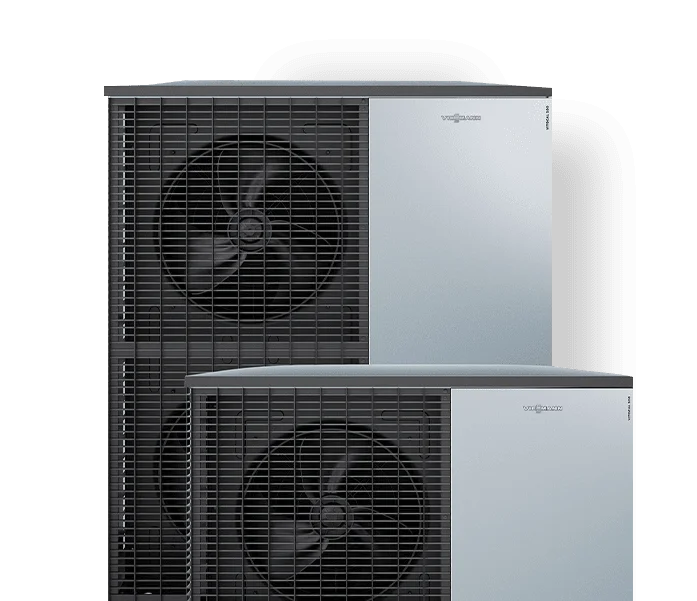
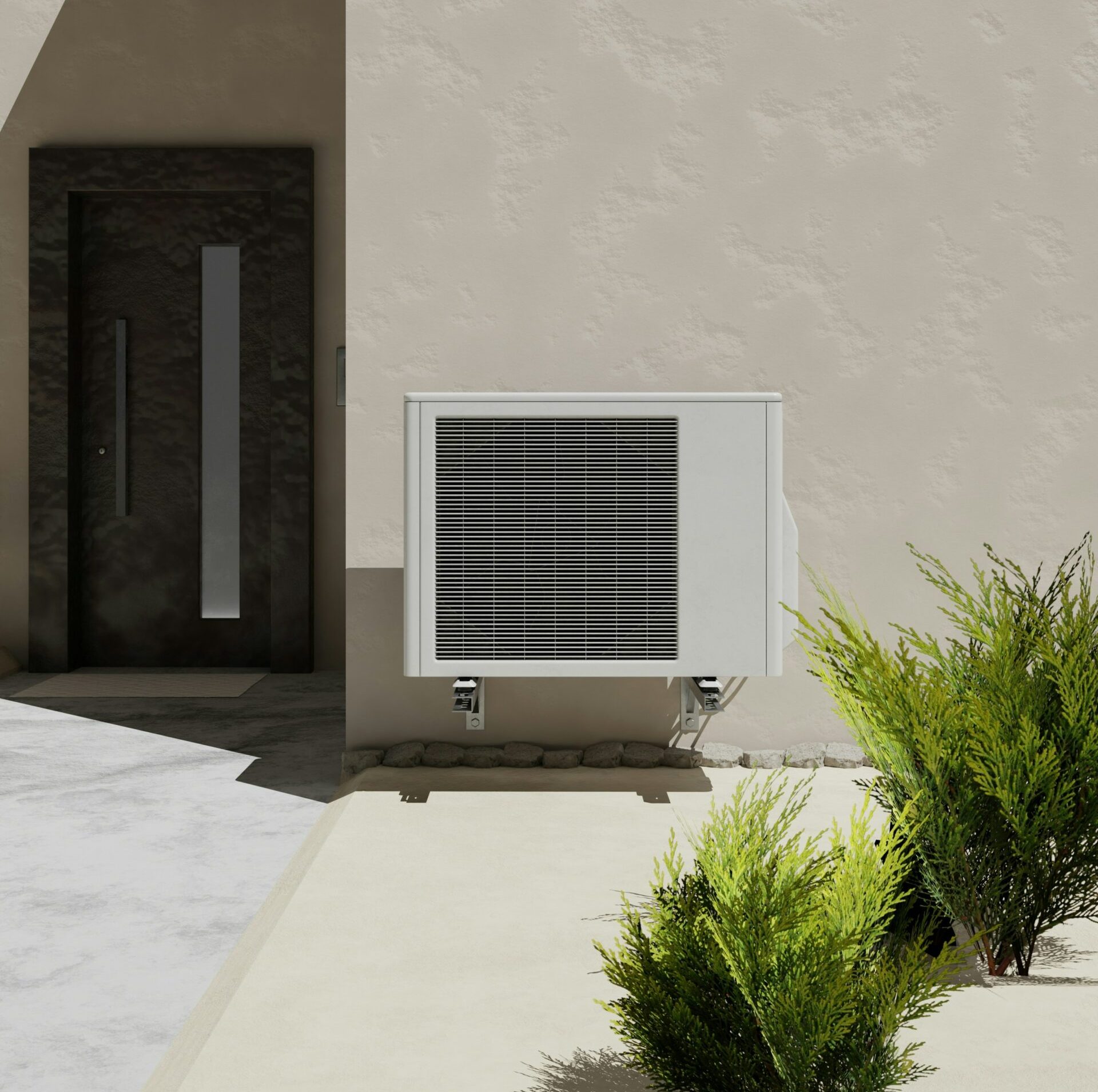
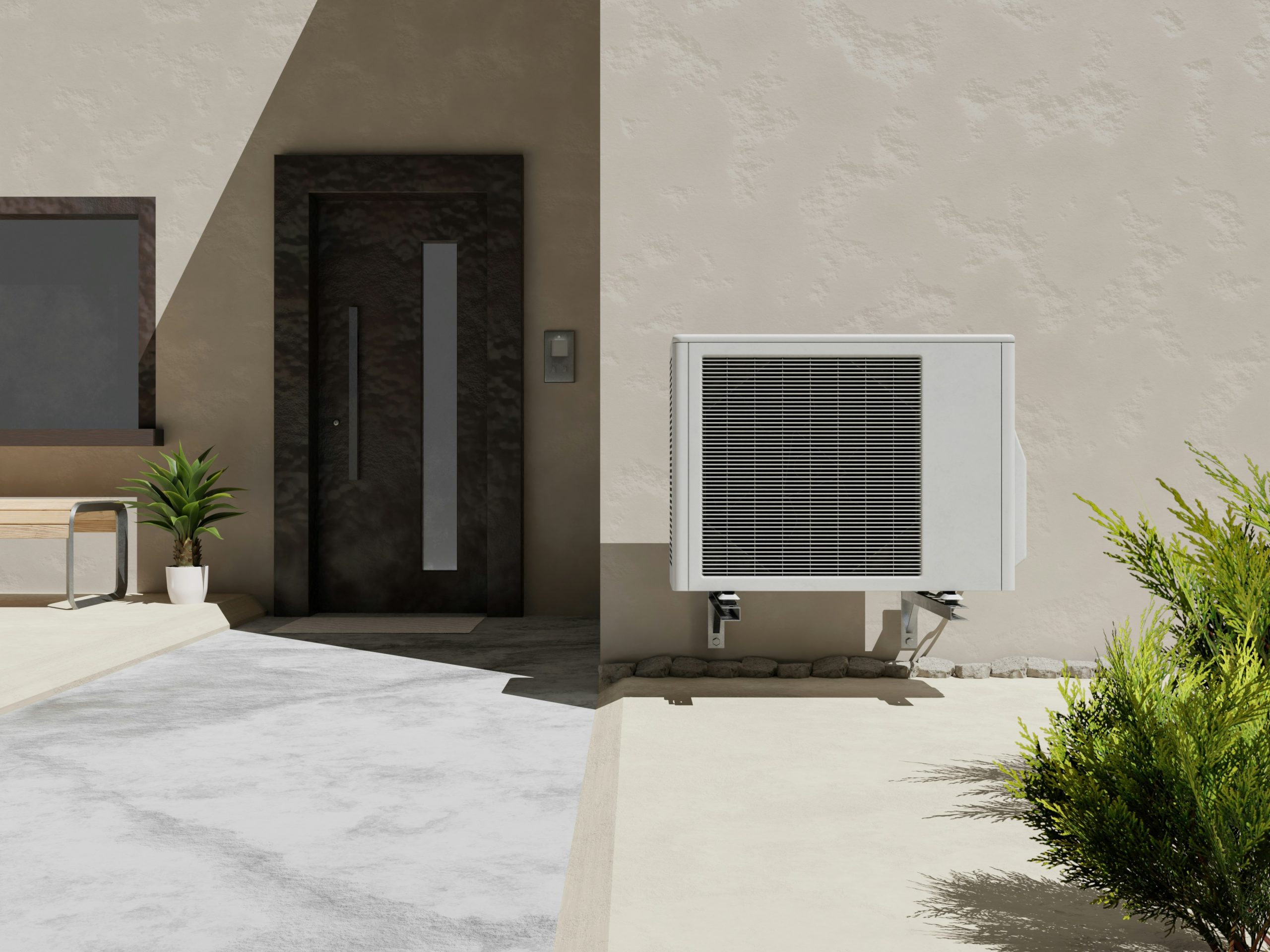
One unit sits outside, around the size of two wheelie bins
Slightly less efficient than ground source in cold spells

Get a quote
Air Source Heat Pumps

Ground Source

For efficiency, durability and low running costs

Higher efficiency, so lower running costs
Steady performance all year round, even in winter
Quieter, with no external fan unit
Long lifespan with minimal maintenance
Higher upfront cost and needs outdoor space to install

Get a quote
Ground Source Heat Pumps

Why are people making the switch to heat pumps?

Heat pumps have been slowly moving over to the mainstream, and there are a few good reasons why.

The big one is efficiency. A heat pump produces around three to four units of heat for every unit of electricity it uses, which is something a gas or oil boiler simply can’t match. That efficiency, combined with the fact that they run on electricity rather than burning fuel on site, means a much lower carbon footprint.

There’s a policy push behind it too. The UK is steadily moving away from fossil fuel heating, with new-build homes increasingly expected to use low-carbon heating from the outset. The government has also stepped in to offer financial support, with grants and schemes designed to make the switch more affordable for homeowners.

Then there are the day to day perks. No gas or oil deliveries, less maintenance than a combustion boiler, and many heat pump systems can cool your home in summer as well as heat in winter. While the environmental side is a big draw for some, plenty of people simply like the idea of a heating system that’s low maintenance and built for the future.

Is a heat pump right for my home?

Whether a heat pump is a good fit comes down to a handful of things that affect how well it can perform. Here’s what to look at.

Insulation

A heat pump works best in a home that holds its heat. Good loft and cavity wall insulation, decent window glazing, and draught proofing all help. If your home is a bit chilly, that doesn’t rule a heat pump out, but it’s worth considering insulation alongside the installation.

Space for the unit

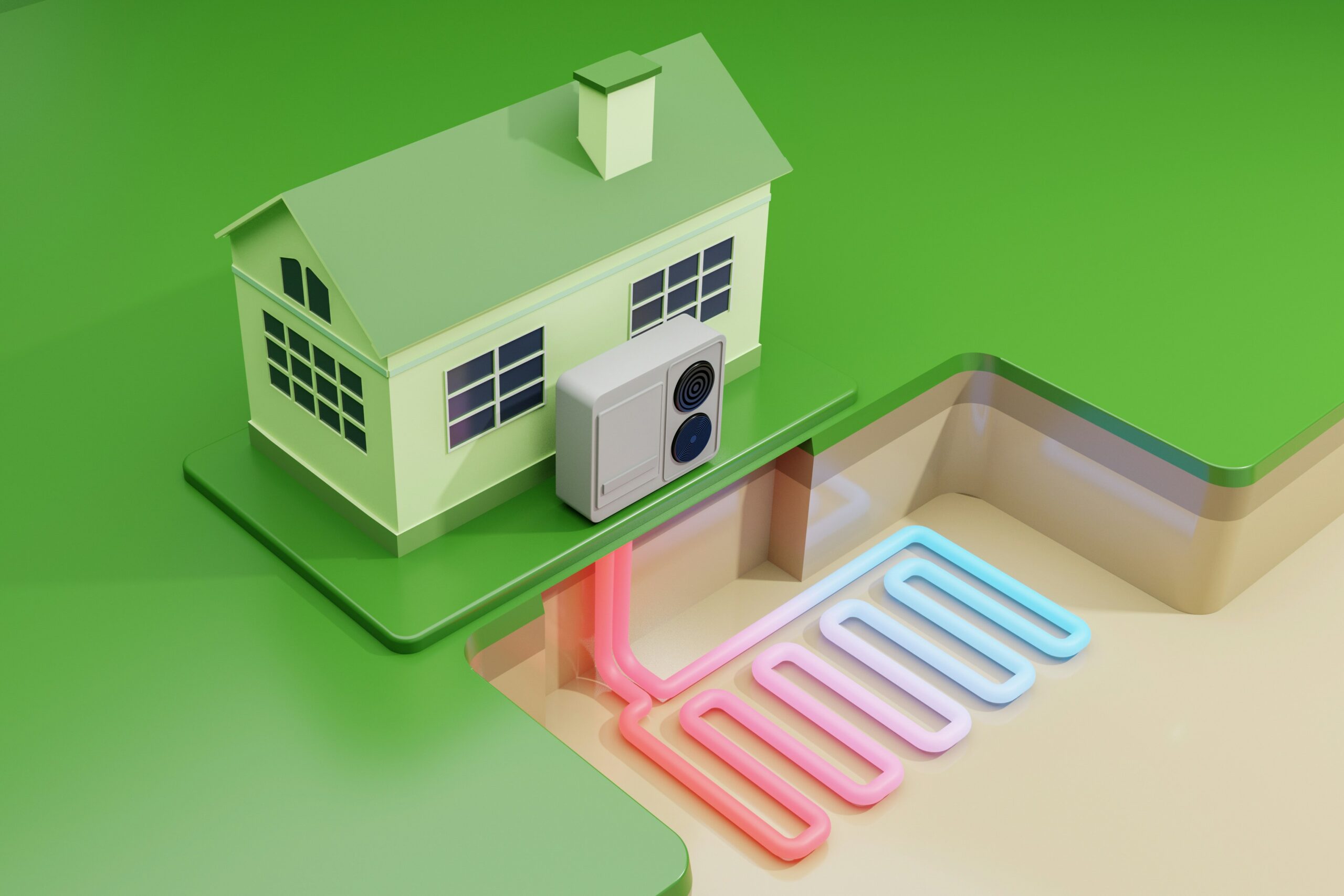
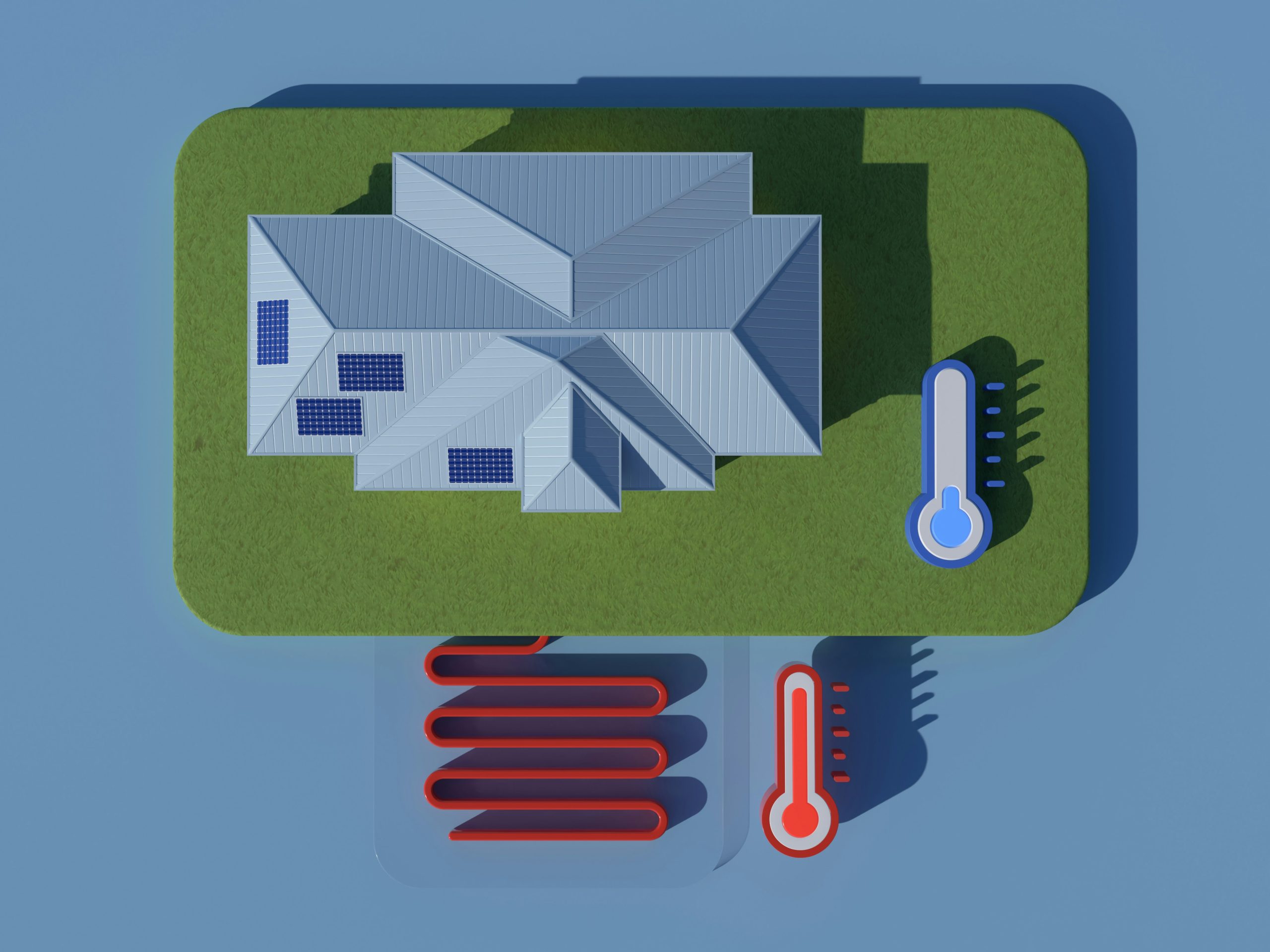
An air source heat pump sits outside, roughly the width of two wheelie bins side by side, and needs a bit of clear space around it for airflow. A ground source system needs enough outdoor space for either a loop of pipes buried in the garden, or a borehole.

Space for a cylinder

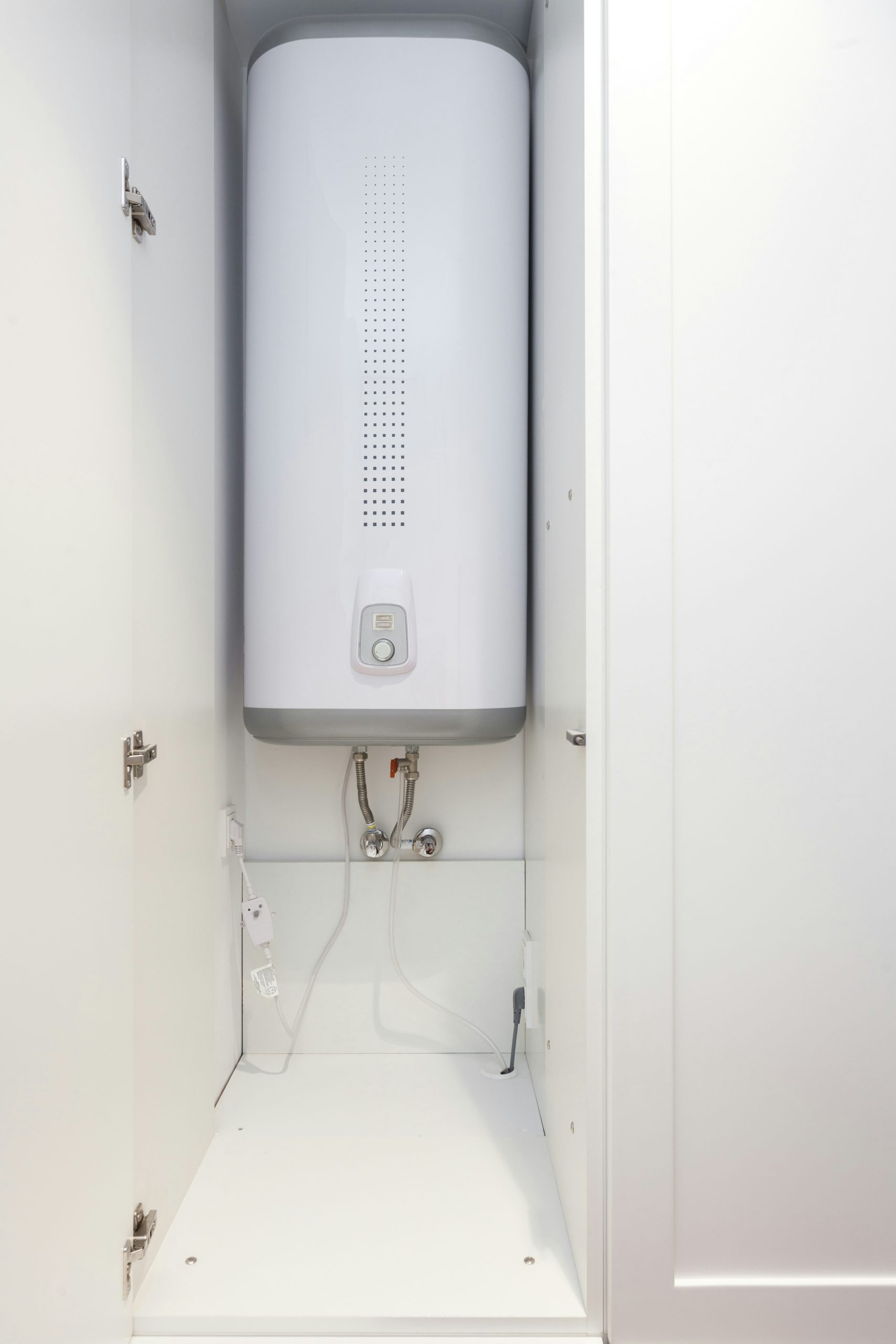
Unlike a combi boiler, a heat pump heats water in advance and stores it in a cylinder. This cylinder needs a home, usually in an airing cupboard or utility space. If you’re used to a combi and don’t currently have a cylinder, this is one of the bigger changes to plan for.

Your radiators

Heat pumps warm your home differently to a boiler. They run at a gentler, steadier temperature rather than short, hot bursts of water. This means some radiators may need upgrading to a slightly larger size so that they can give out the same warmth. Underfloor naturally complements this setup.

Low maintenance icon Your current heating

Heat pumps make the most sense to replace systems that run on oil, LPG (bottled gas), or electric heating, which is common across rural Norfolk. That said, they work well in plenty of gas-heated homes too.

Animation of heat pump

How much does a heat pump cost?

There’s no cut and paste price for a heat pump, and any installer who gives you a firm figure before seeing your home is guessing. The cost depends on your property, your existing heating, and the system your home needs.

As a rough guide, the upfront cost of an air source heat pump starts from around £12,000, with ground source costing more because of the groundwork involved. Where your project lands within that depends on things like the size of your home, whether any radiators need upgrading, and how much work is needed to adapt your existing setup.

It’s worth knowing that investing in a quality installation from the start pays off over time. A heat pump system that’s been carefully designed and installed for your home will run more efficiently, cost less to run, and last longer than one that’s been rushed or undersized. Cutting corners at installation tends to cost more over the life of the system, not less.

Government grants can bring the upfront cost down significantly too, which we cover below.

Grants and funding

The upfront cost of a heat pump can feel like a lot, but there’s a good chance you won’t be paying all of it yourself. The UK government offers a grant to help homeowners make the switch, and they can knock a significant chunk off the total.

The Boiler Upgrade Scheme

For homeowners in England, the Boiler Upgrade Scheme is the main grant to be aware of. It currently offers up to £9,000 towards the cost of installing an air source or ground source heat pump, paid directly to your installer to reduce what you pay. To qualify, you’ll usually need a valid EPC (Energy Performance Certificate) and to be replacing a fossil fuel system, like an oil or gas boiler.

The best part is you don’t have to deal with the paperwork yourself. As an accredited installer, we can handle the application on your behalf as part of the process. If you’d like the full picture on eligibility, timings, and how it all works, we’ve covered it in our blog. Everything you need to know about the Boiler Upgrade Scheme.

The best part is you don’t have to deal with the paperwork yourself. As an accredited installer, we can handle the application on your behalf as part of the process. If you’d like the full picture on eligibility, timings, and how it all works, we’ve covered it in our blog.

Other support

Depending on where you live and your circumstances, there may be other funding available too, including schemes aimed at improving energy efficiency in lower-income households. As a Norfolk-based company, we keep a close eye on what’s available locally as well as nationally, and local funding does pop up from time to time through the county and district councils.

Businesses looking to cut their carbon footprint and energy costs can often tap into wider commercial decarbonisation and energy efficiency funding, though this tends to vary from one scheme to the next.

Grant schemes change often, so the simplest way to find out exactly what you’re eligible for is to ask. We stay on top of what’s available and can tell you what applies to your situation.

Read our article on the benefits of moving over to green energy for your business.

What to expect during installation

Getting a heat pump fitted is a bigger job than swapping your boiler, but a good installer makes it a smooth one. Here’s how the process works from your first enquiry through to a warm home, so you know exactly what to expect at each stage.

green energy heat pumps icon

Getting the most out of your heat pump

A heat pump works a little differently to a boiler, and once you understand how it runs, getting the best out of it is easy. Here are the things that make the biggest difference:

  • Let it run low and steady. Heat pumps work at their best when ticking along at a gentle, constant temperature rather than being cranked up and switched off. A heat pump running for long stretches is completely normal too, and it’s actually a sign it’s working efficiently. Long and low is exactly how it should behave, and it’s more comfortable and cheaper to run than short, hot bursts.
  • Use weather compensation if you’ve got it. Many systems automatically adjust to the temperature outside, working harder on cold days and easing off on milder ones. If your system has this, let it do its thing rather than fiddling with the settings.
  • Keep the outdoor unit clear. If you’ve got an air source heat pump, give the outside unit a bit of breathing room. Clear away leaves, debris, or anything blocking the airflow now and then, especially in autumn. It’s a two-minute job that helps the system run efficiently.
  • Keep on top of servicing. Heat pumps need very little maintenance, but an annual service keeps everything running at its best, catching small issues before they become bigger ones. And if yours ever struggles to reach temperature, makes unusual noises, or throws up an error message, it’s worth getting it looked at rather than leaving it.

Due a service, or want yours checked over by someone who knows heat pumps inside out? Get in touch and we’ll take care of it.

air source heat pump outside

Why installation quality matters

A heat pump system is only ever as strong as the design and installation behind it. The same unit can run beautifully in one home and poorly in another, and the difference almost always comes down to who fitted it and how much thought went into the design.

Fitted right, you’ve got a system that keeps your home comfortable, runs efficiently, and quietly gets on with the job for years. If it’s a botch job, the problems can stack up. A poorly sized or badly designed system works harder than it needs to, costs more to run, struggles to keep you warm, and is far more likely to break down. Heat pumps have picked up an unfair reputation for being unreliable or expensive to run, and more often than not, a rushed installation is the real culprit rather than the technology itself.

This is why MCS certification is worth searching for. It means an installer has been independently assessed against recognised standards, and it’s often needed for grants like the Boiler Upgrade Scheme. A heat pump is a long-term investment, so the installation is every bit as important as the system itself.

Want to make sure your installation is done right? Have a chat with us, no strings attached.

Frequently asked questions

Heat pumps come with plenty of questions, and that’s exactly how it should be when you’re making a big decision. Below are some of the ones we hear most often, answered simply and without the jargon. Anything else you’re wondering about, we’re always happy to help.

Helpful articles and resources

viessmann heat pump outside
Viessmann vs Stiebel Eltron? We install both, so here’s the honest answer.

If you’ve been looking around for a heat pump, the likelihood is Viessmann and Stiebel…

Could your home run itself: What happens when you pair a heat pump with solar panels?

Energy prices have been unpredictable for a while now, and world events over the past…

Why summer is the best time to get a heat pump installed

There’s something very British about remembering your heating when you can see your own breath…

engineers at work
Heat pump not working? Here’s five common causes

We know how stressful it is when your heat pump isn’t working, especially when you’re…

diagram of a ground source heat pump
Is a ground source heat pump still really worth it?

Let’s be honest – as heat pump technology has evolved, most people naturally look at…